Cylburn Arboretum Friends

  • About Us
    • Who We Are
    • Staff
    • Board
    • Our History
    • Financial Statements
    • Cylburn Master Plan
  • Members
  • Rentals & Permits
  • Contact Us
  • Visit
    • Buildings and Facilities
    • Know Before You Go
    • Explore Cylburn Arboretum
    • Cylburn Arboretum Tour Information
  • Programs & Events
    • Upcoming Events
    • Monthly Programs
    • Annual Events
    • Field Trips
    • Cylburn Nature Camp
  • Give
    • Donate
    • Membership
    • Gifts of Stock
    • Ways to Give
  • Volunteer
  • Property Partners
  • Visit
    • Know Before You Go
    • Buildings and Facilities
    • The Collections
    • Cylburn Arboretum Tour Information
  • Programs & Events
    • Upcoming
    • Annual Events
    • Monthly Programs
    • Field Trips
    • Cylburn Nature Camp
  • Give
    • Ways to Give
    • Donate
    • Membership
    • Gifts of Stock
  • Volunteer
    • Volunteer Opportunities
  • Property Partners
  • About Us
    • Who We Are
    • Staff
    • Property Partners
    • Board
    • Our History
    • Financial Statements
  • Members
  • Rentals & Permits
  • Contact Us

Explore Cylburn Arboretum

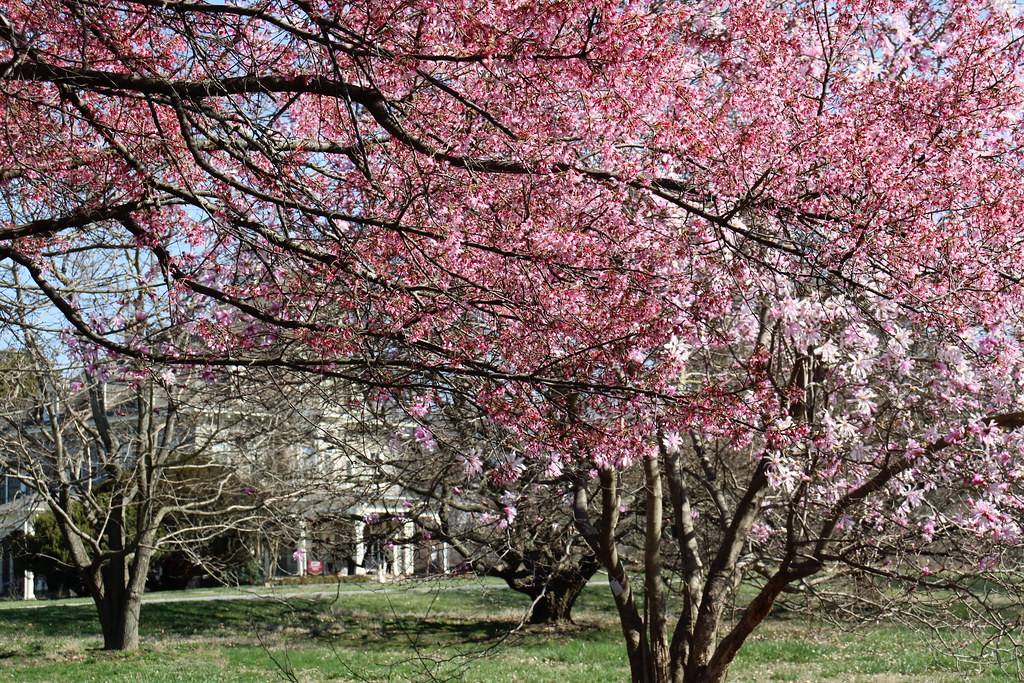
Tree Collection

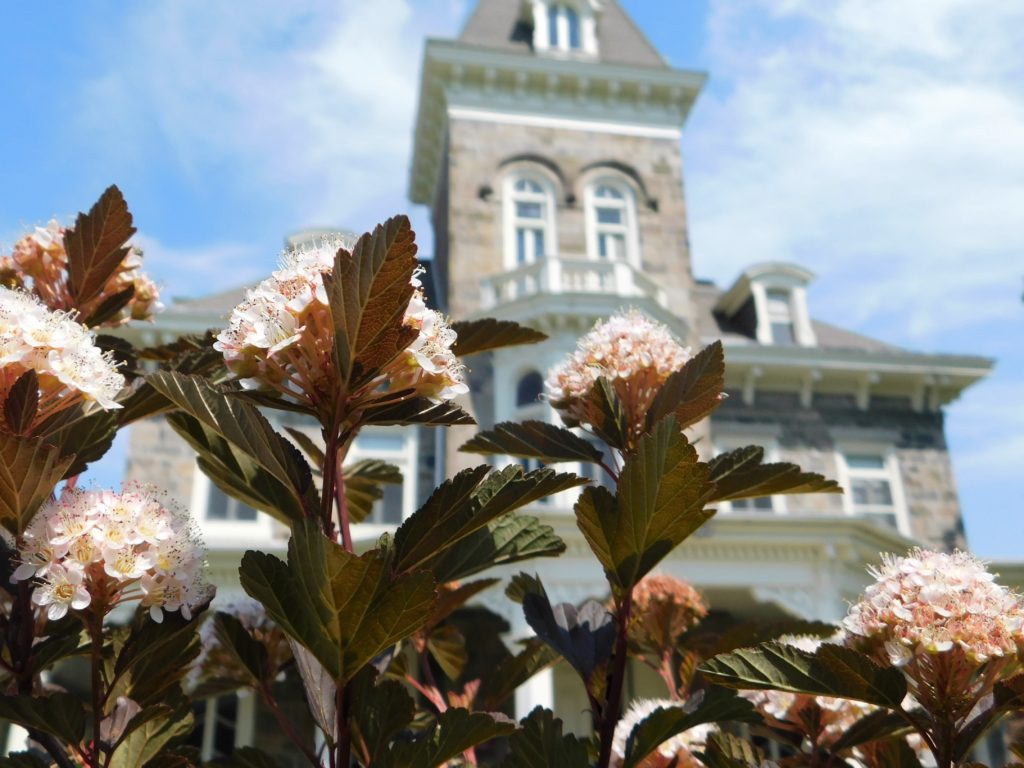
The Gardens

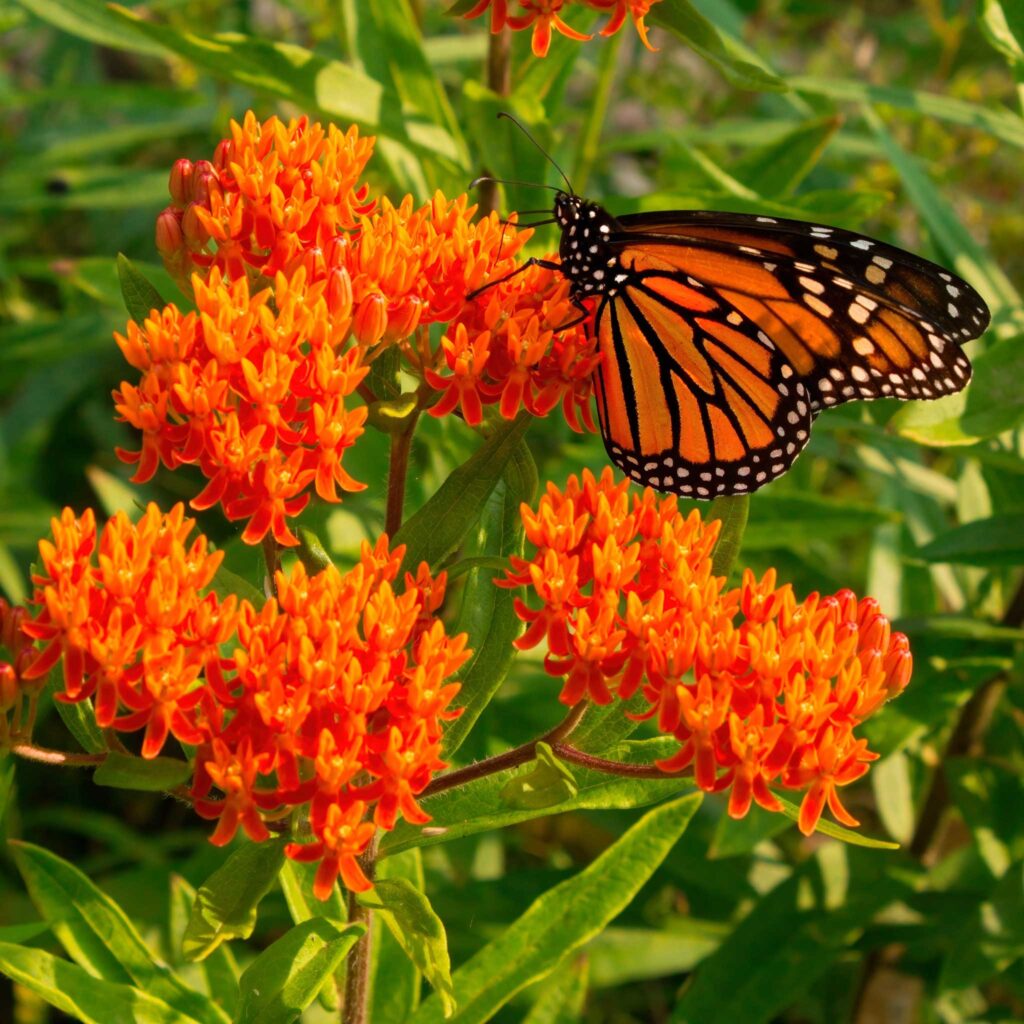
Trails and Wildlife

The crown jewel in the Baltimore City park system, Cylburn Arboretum is unique. There are no ball fields, tennis or basketball courts, no swimming pools or recreation centers: only 200 acres of trees, gardens, trails, peace and serenity in a bustling urban setting. Cylburn provides a refuge from daily life, a place to walk, explore and experience the beauty of nature, both structured and wild.

Once the home of a wealthy Baltimore Quaker, Jesse Tyson, Cylburn Arboretum became the property of Baltimore City in 1942 after the death of Edyth Tyson Cotten when Cotten’s husband, Bruce, sold the property to Baltimore City. The City turned the mansion into a home for abandoned children during WWII and in 1982 named the property Cylburn Arboretum, turning it into what you see today: an expansive and beautiful property in the heart of  Baltimore City open to all.
Woodland Edge

Visit Cylburn

  • Hours
  • Buildings and Facilities
  • Know Before You Go
  • The Collections
  • Cylburn Arboretum Tour Information

Visit

  • Hours
  • Buildings and Facilities
  • Know Before You Go
  • The Collections
  • Cylburn Arboretum Tour Information

Events

  • Upcoming
  • Monthly Programs
  • Annual Events
  • Field Trips
  • Cylburn Nature Camp

Give

  • Ways to Give
  • Donate
  • Membership
  • Gifts of Stock
  • Donate a Tree or a Bench

Members

  • Members
  • Monthly Programs

Rentals & Permits

  • Rentals & Photography

Contact Us

  • Contact Us

Follow our social accounts

Instagram
Facebook
YouTube
Email Newsletter
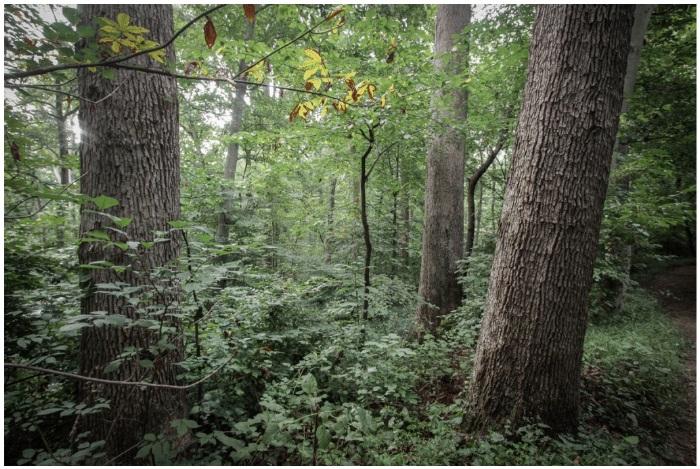
Are you familiar with the Maryland State tree? It Are you familiar with the Maryland State tree? It is the White Oak! 

The White Oak is the most insect-friendly species to plant in a majority of the United States. They support around 934 caterpillar species nation-wide, compared with the tulip poplar (21 caterpillar species), black gum (26), sweetgum (35), and hemlock (92). In the Mid-Atlantic states, white oaks host nearly 600 species of caterpillars. These caterpillars metamorphosize into adult insects, many of which pollinate flowers.

But their importance doesn’t end there. Caterpillars are also a vital food source for birds, and many songbirds rely on them to feed their young. White Oaks help sustain entire food webs by supporting hundreds of insect species, making them one of the most valuable trees for wildlife and biodiversity.
Follow on Instagram
  • Visit
  • Programs & Events
  • Give
  • Volunteer
  • Property Partners
  • About Us
  • Members
  • Rentals & Permits
  • Contact Us

Copyright © 2026 • Cylburn Arboretum Friends • 4915 Greenspring Avenue, Baltimore, Maryland 21209 • 410-367-2217