Cylburn Arboretum Friends

  • About Us
    • Who We Are
    • Staff
    • Board
    • Our History
    • Cylburn Master Plan
  • Members
  • Rentals & Permits
  • Contact Us
  • Visit
    • Buildings and Facilities
    • Know Before You Go
    • Explore Cylburn Arboretum
    • Cylburn Arboretum Tour Information
  • Programs & Events
    • Upcoming Events
    • Monthly Programs
    • Annual Events
    • Field Trips
    • Cylburn Nature Camp
  • Give
    • Donate
    • Membership
    • Gifts of Stock
    • Ways to Give
  • Volunteer
  • Property Partners
  • Visit
    • Know Before You Go
    • Buildings and Facilities
    • The Collections
    • Cylburn Arboretum Tour Information
  • Programs & Events
    • Upcoming
    • Annual Events
    • Monthly Programs
    • Field Trips
    • Cylburn Nature Camp
  • Give
    • Ways to Give
    • Donate
    • Membership
    • Gifts of Stock
  • Volunteer
    • Volunteer Opportunities
  • Property Partners
  • About Us
    • Who We Are
    • Staff
    • Property Partners
    • Board
    • Our History
    • Financial Statements
  • Members
  • Rentals & Permits
  • Contact Us

Trails

Trails

To report downed trees on trails please click here

Enjoy a wilderness experience in Baltimore city

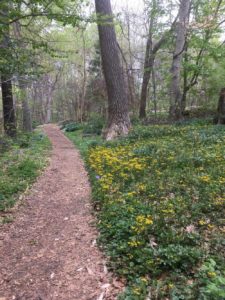
Three and a half miles of woodland trails wind through the Cylburn grounds. The trails are a great way to experience Cylburn.

Trails range from easy to moderately difficult depending on the terrain, how steep they are, and the type of trail path.

  • Download a map of the gardens and trails (PDF) >

Note: Bikes are allowed on paved paths only; they are NOT allowed on the trails or lawns.

Cylburn Woods
trails

Cylburn Arboretum is a 200-acre urban park, with more than 150 acres of woodlands. Cylburn’s forest is a valuable resource for Baltimore’s local human and wildlife communities. Along with Druid Hill Park and Gwynns Falls/Leakin Park, it is one the few wooded areas in Baltimore City and is the city’s largest public garden.

Forest Trees

Upper Piedmont hardwood dominated by American beech, northern red oak, and tulip trees make up the bulk of the forest. More than 150 years ago, while Cylburn was owned by the Tyson/Cotten families, various wooded areas were cleared to construct the mansion, carriage house, and gardens and to open up scenic vistas toward Baltimore’s harbor and the estates of Roland Park.

Want to Explore Our Forest?

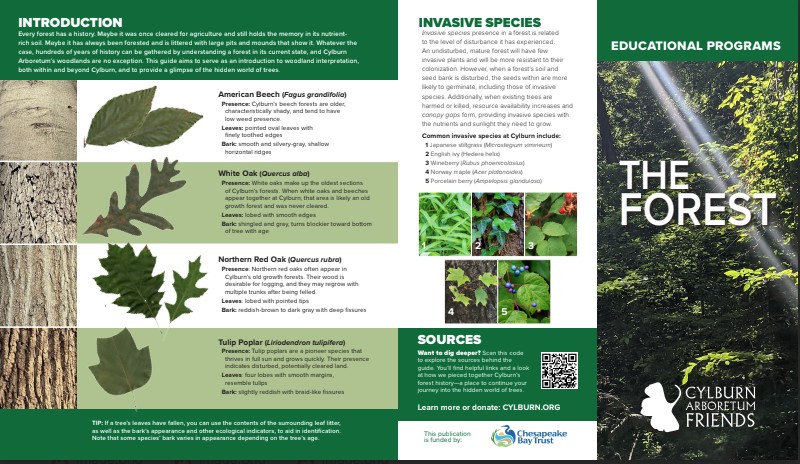
Download our Forest Guide. The guide introduces readers to Cylburn’s most common trees, identifies invasive species to watch for, and offers interpretive tips such as reading signs of the past from tree forms and landscape features. It also includes simple tools for measuring trees and understanding woodland changes over time. Want to find out more about the sources behind the guide? You can dig deeper HERE. 
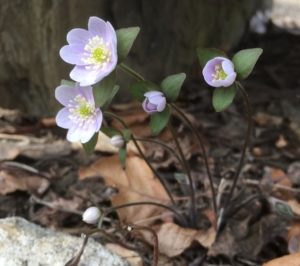
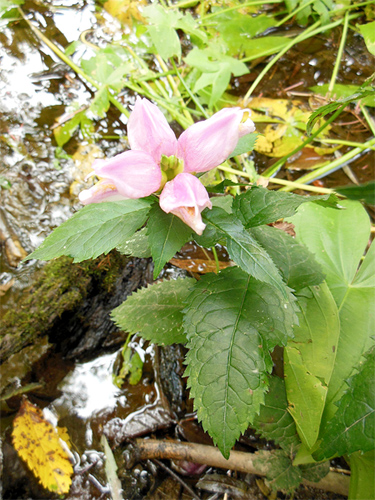
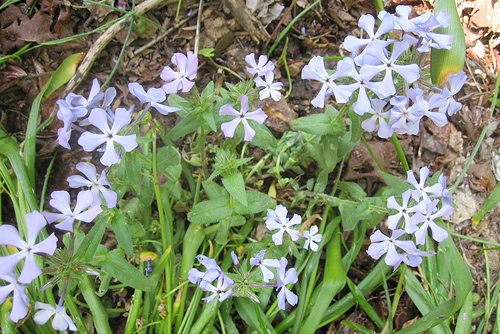
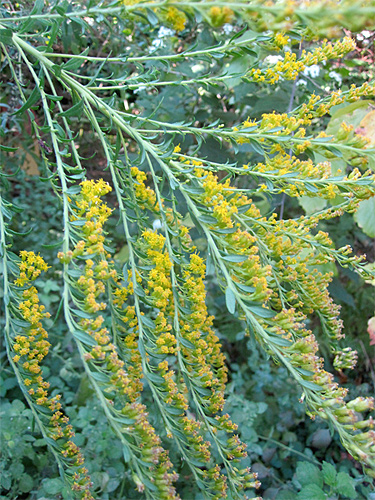
Cylburn’s Wildflowers

The trails contain wonderful groups of wildflowers, which have been maintained and showcased by volunteers who encourage their presence in the woodland setting while discouraging invasive plants and vines.

You can find a variety of beautiful wildflowers in Cylburn woods. The Circle Trail, which circles the mansion lawns, is a good place to start. Look for green signs naming wildflower species.

Over the years, Cylburn volunteers have encouraged native wildflower species by doing supplemental planting and discouraging invasive plant species.

Wildflower Gallery
Select any photo to enlarge:

  • Anemone sp.
  • Turtlehead
  • Phlox divaricata
  • Goldenrod
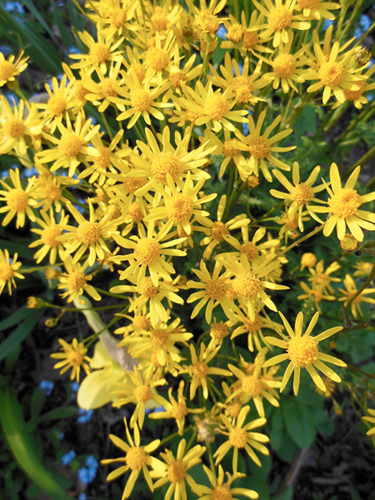
  • Golden Ragwort
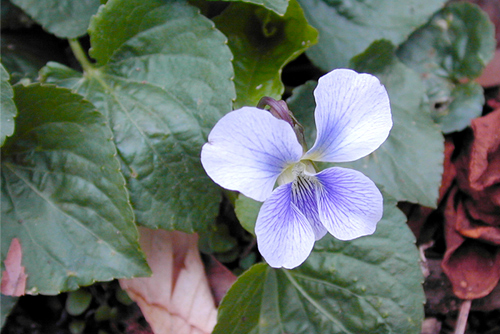
  • Violet
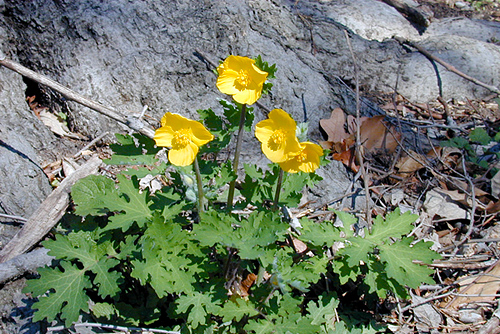
  • Celandine Poppy
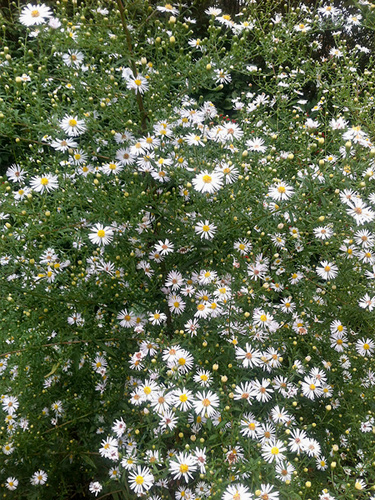
  • Aster

Visit Cylburn

  • Hours
  • Buildings and Facilities
  • Know Before You Go
  • The Collections
  • Cylburn Arboretum Tour Information

Visit

  • Hours
  • Buildings and Facilities
  • Know Before You Go
  • The Collections
  • Cylburn Arboretum Tour Information

Events

  • Upcoming
  • Monthly Programs
  • Annual Events
  • Field Trips
  • Cylburn Nature Camp

Give

  • Ways to Give
  • Donate
  • Membership
  • Gifts of Stock
  • Donate a Tree or a Bench

Members

  • Members
  • Monthly Programs

Rentals & Permits

  • Rentals & Photography

Contact Us

  • Contact Us
In the past few weeks, we have taken a closer look In the past few weeks, we have taken a closer look at Cylburn’s five City Demonstration Gardens, each designed to showcase the possibilities of a typical Baltimore rowhome’s yard. These gardens are meant to display the varied and sometimes surprising potential for gardening in the city. 

Phaire Gardens, who designed City Demonstration Garden #5, were faced with a unique challenge when it came to creating this space. The area was already home to a well-established Persian ironwood (Parrotia persica) tree, which provided shade and was situated centrally in the space. Rather than cutting the tree down, or seeing it as a limitation, this garden’s designers decided to thoughtfully build around it, showcasing the variety and resilience of native plants, titling the space The Nestled Native Garden. For many city residents who inherit the choices of gardeners past, this space provides inspiration on how to make any yard your own. The Nestled Native Garden also plays with space, and expands the yard by re-orienting the space diagonally. The angled pathways direct visitors to the corners, making them focal points and expanding the usable area. 

Come visit all five gardens at Cylburn to gather ideas for your own green space!
Follow on Instagram
  • Visit
  • Programs & Events
  • Give
  • Volunteer
  • Property Partners
  • About Us
  • Members
  • Rentals & Permits
  • Contact Us

Copyright © 2026 • Cylburn Arboretum Friends • 4915 Greenspring Avenue, Baltimore, Maryland 21209 • 410-367-2217