Cylburn Arboretum Friends

  • About Us
    • Who We Are
    • Staff
    • Board
    • Our History
    • Financial Statements
    • Cylburn Master Plan
  • Members
  • Rentals & Permits
  • Contact Us
  • Visit
    • Buildings and Facilities
    • Know Before You Go
    • Explore Cylburn Arboretum
    • Cylburn Arboretum Tour Information
  • Programs & Events
    • Upcoming Events
    • Monthly Programs
    • Annual Events
    • Field Trips
    • Cylburn Nature Camp
  • Give
    • Donate
    • Membership
    • Gifts of Stock
    • Ways to Give
  • Volunteer
  • Property Partners
  • Visit
    • Know Before You Go
    • Buildings and Facilities
    • The Collections
    • Cylburn Arboretum Tour Information
  • Programs & Events
    • Upcoming
    • Annual Events
    • Monthly Programs
    • Field Trips
    • Cylburn Nature Camp
  • Give
    • Ways to Give
    • Donate
    • Membership
    • Gifts of Stock
  • Volunteer
    • Volunteer Opportunities
  • Property Partners
  • About Us
    • Who We Are
    • Staff
    • Property Partners
    • Board
    • Our History
    • Financial Statements
  • Members
  • Rentals & Permits
  • Contact Us

East Gardens

Probst

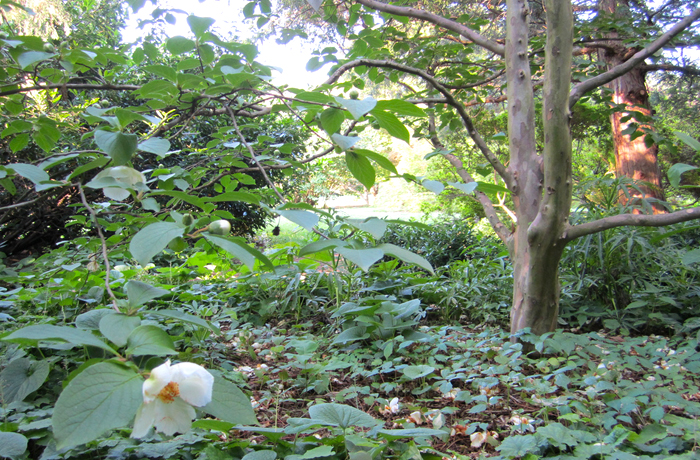
Probst Garden at Cylburn Arboretum
Probst Garden in summer
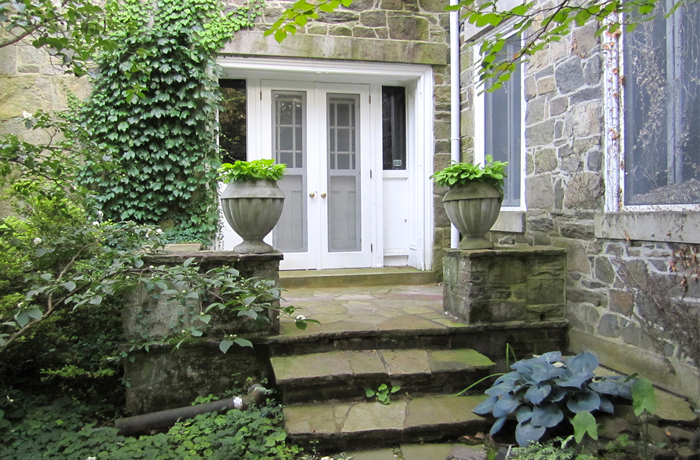
Cylburn Mansion back patio
Cylburn Mansion rear
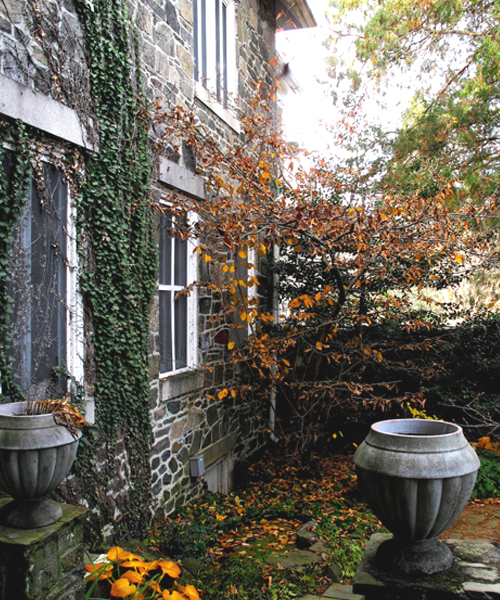
Fall color at Cylburn Arboretum
Fall color

This garden is nestled against the back of the Cylburn mansion, it has an air of age and establishment only possible with such massive False Cypress (Chamaecyparis pisifera) and vine covered stone walls. Winter begins with Japanese Camellias (Camellia japonica clt.) blooming along the adjacent wall. Spring in the Probst garden is marked by a series of fantastic blooms beginning with the large witchazel (Hamamelis x intermedia), proceeding with a great stand of dwarf sweetbox (Sarcococca hookeriana var. humilis), and culminating in the prolific blooms of the a


Visit

  • Hours
  • Buildings and Facilities
  • Know Before You Go
  • The Collections
  • Cylburn Arboretum Tour Information

Events

  • Upcoming
  • Monthly Programs
  • Annual Events
  • Field Trips
  • Cylburn Nature Camp

Give

  • Ways to Give
  • Donate
  • Membership
  • Gifts of Stock
  • Donate a Tree or a Bench

Members

  • Members
  • Monthly Programs

Rentals & Permits

  • Rentals & Photography

Contact Us

  • Contact Us

Follow our social accounts

Instagram
Facebook
YouTube
Email Newsletter
You can be confident that spring is just around th You can be confident that spring is just around the corner when you see these little blooms, even with all the snow! Although snowdrops (Galanthus nivalis) appear to be delicate flowers, they are actually quite mighty, and every part of the plant (especially the bulbs) is poisonous.

Snowdrops also have several evolutionary super strengths. Their leaves contain antifreeze properties that help them survive the cold, and their reinforced leaf tips allow them to push through frozen ground. Snowdrops also have a mutually beneficial relationship with ants called myrmecochory. Ants carry snowdrop seeds back to their colonies to eat a nutritious, jelly-like fat attached to the seed called an elaiosome. In the process, the ants disperse the seeds into environments that are ideal for germination and protected from pests.

Snowdrops are such an exciting precursor to spring. Stop by the Mansion Circle Garden, or wander down to the gazebo at Cylburn, to see if you can spot some!

#cylburnarboretum #baltimore
Follow on Instagram
  • Visit
  • Programs & Events
  • Give
  • Volunteer
  • Property Partners
  • About Us
  • Members
  • Rentals & Permits
  • Contact Us

Copyright © 2026 • Cylburn Arboretum Friends • 4915 Greenspring Avenue, Baltimore, Maryland 21209 • 410-367-2217